A special project created with the support of the Jewish news portal · We sincerely love Azerbaijan — our Homeland, its people, culture, history and unique diversity.
Sheki
RUAZENHE
Дворец шекинских ханов в Шеки
Azerbaijan · Caucasus foothillsUNESCO heritage

ShekiA city of silk and shebeke at the foot of the Caucasus, where windows are made of thousands of coloured panes

An ancient city on the Great Silk Road, famous for the Palace of Sheki Khans, its shebeke stained glass, its caravanserais and its sweet halva.

Scroll

About the city

A city where a window is a jewel of light and glass.

Sheki is one of the oldest cities of Azerbaijan, spread across the green slopes of the Greater Caucasus in the country's northwest. Its streets climb the hills among gardens, springs and rivers.

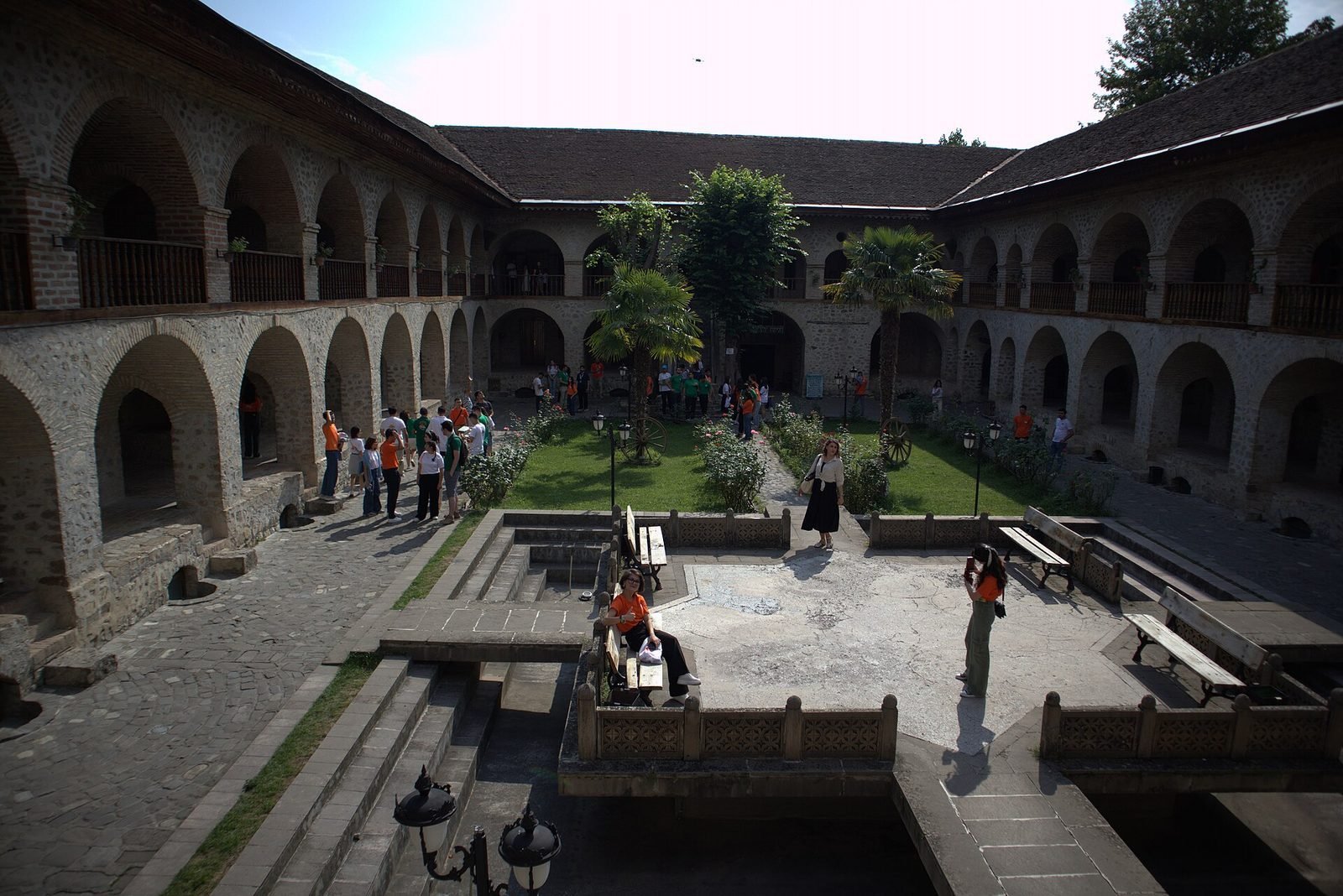
For centuries Sheki stood on the Great Silk Road: here people raised silkworms, wove silk, traded in great caravanserais and welcomed merchants from all over the East.

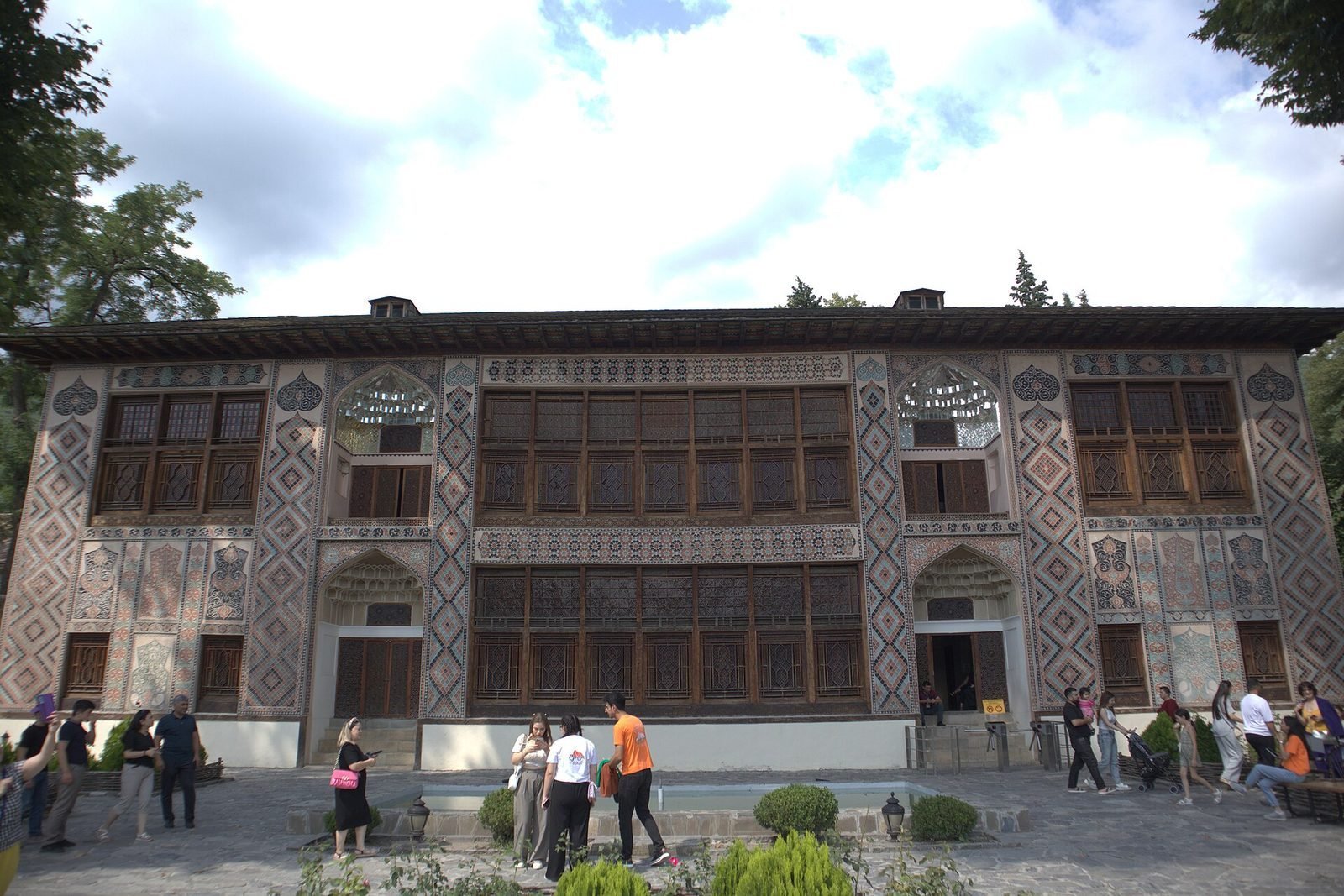
The heart of the city is the Palace of Sheki Khans with its famous shebeke windows and wall paintings. In 2019 the historic centre of Sheki together with the palace was inscribed on the UNESCO World Heritage List.

And Sheki is also a taste: the airy Sheki halva, and fine crafts — shebeke, silk, copper. Here antiquity, nature and mastery are woven into a single pattern.

In brief

Sheki in a few traits

2019on the UNESCO World Heritage List
1797the Palace of Sheki Khans was built
5000shebeke pieces per m² — without nails or glue
Caucasusin the green foothills of the Greater Caucasus

Timeline

Sheki through time

From Caucasian Albania to World Heritage — a short timeline of the city.
Antiquity
Sheki is one of the oldest cities of the Caucasus; the region belongs to Caucasian Albania, where Christianity appears early.
Early Middle Ages
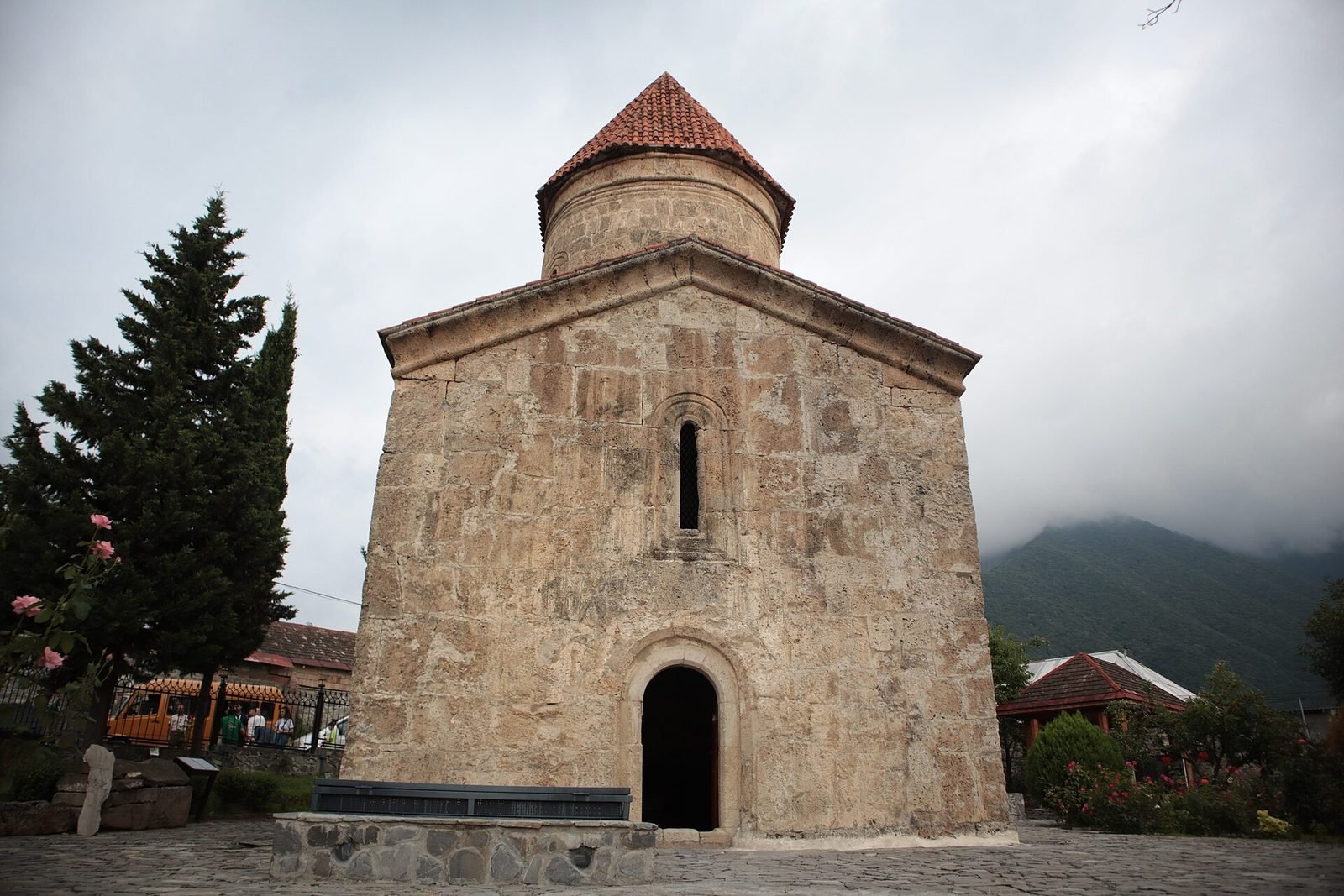
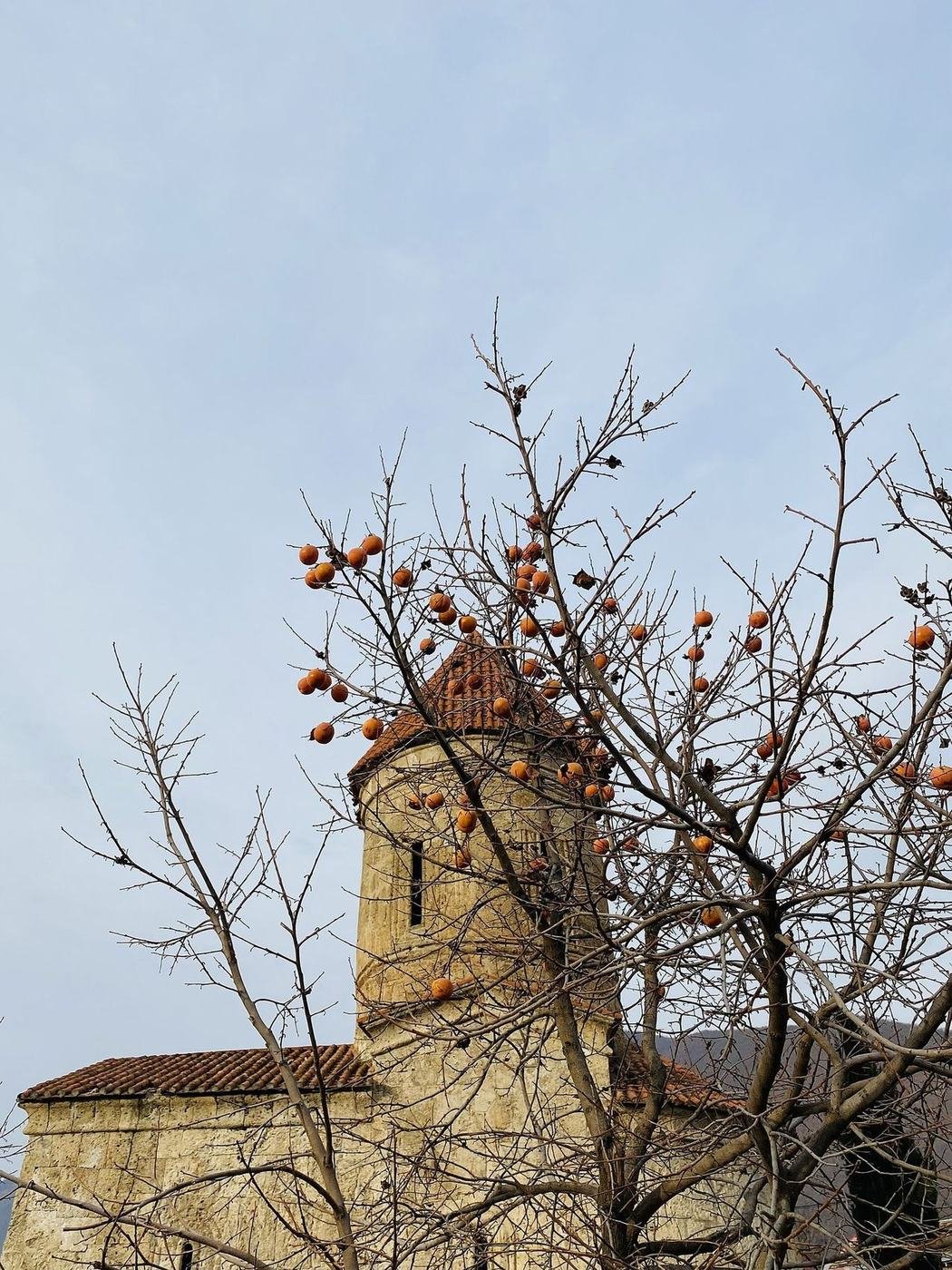
In the nearby village of Kish stands an ancient Albanian church — one of the oldest Christian buildings in the region.
Silk Road
Sheki becomes a major centre of sericulture and trade; caravanserais are built for the merchants.
1743
Haji Chalabi Khan founds the Sheki Khanate; the city gains a fortress and becomes a capital.
1797
The Palace of Sheki Khans is built — a summer residence with shebeke windows and wall paintings.
2019
The historic centre of Sheki together with the Khan's Palace is inscribed on the UNESCO World Heritage List.
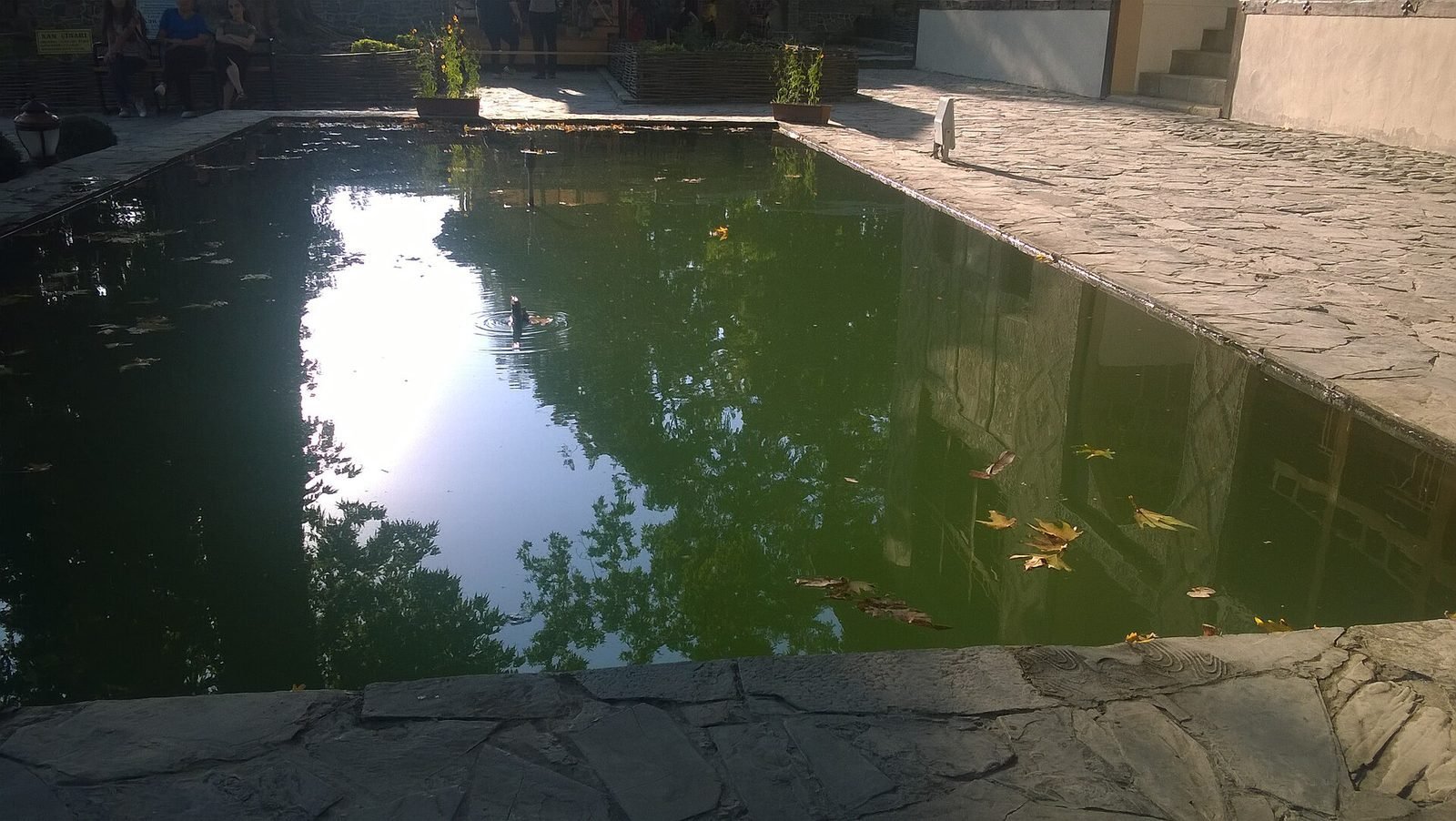
Сад и бассейн Дворца шекинских хановKhan's Palace

The palace

A residence woven from light

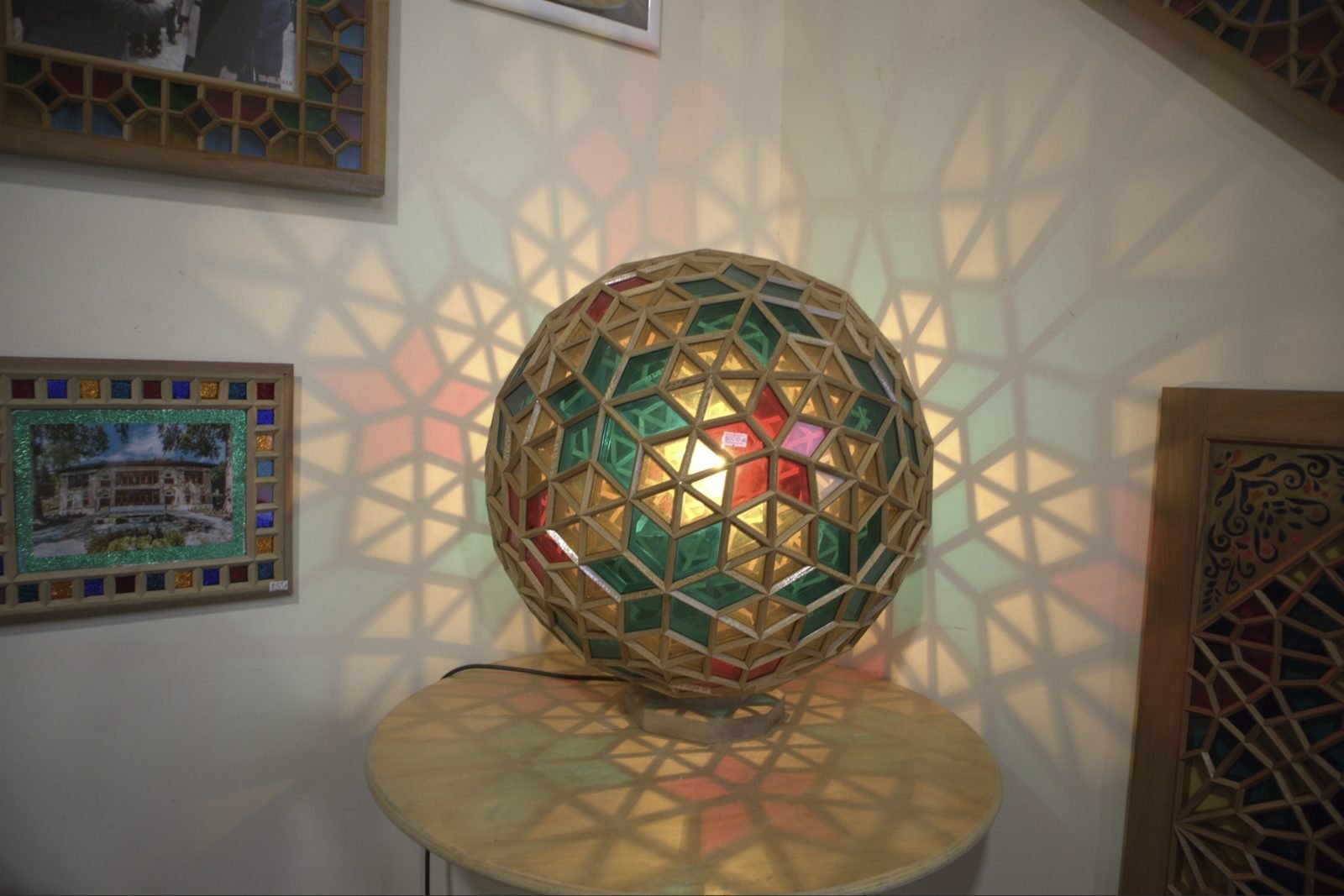
The Palace of Sheki Khans is the city's main jewel. Its facade is covered with paintings, and its windows are shebeke: wooden lattices with thousands of coloured panes, assembled without a single nail.

Inside, the walls are painted with flowers and scenes of hunting and battle. Light passing through the shebeke floods the halls with precious colours.
Khan's Palace →

Караван-сарай в ШекиCaravanserai

Old town

Stones of the Silk Road

Old Sheki is a fortress, narrow cobbled lanes, mosques and huge caravanserais where merchants from all over the East once stayed.

And in the nearby village of Kish stands an ancient Albanian church — a witness to the early Christianity of the Caucasus.
Old town →

“Shebeke is a window made of light: thousands of little panes without a single nail.”

The art of shebeke
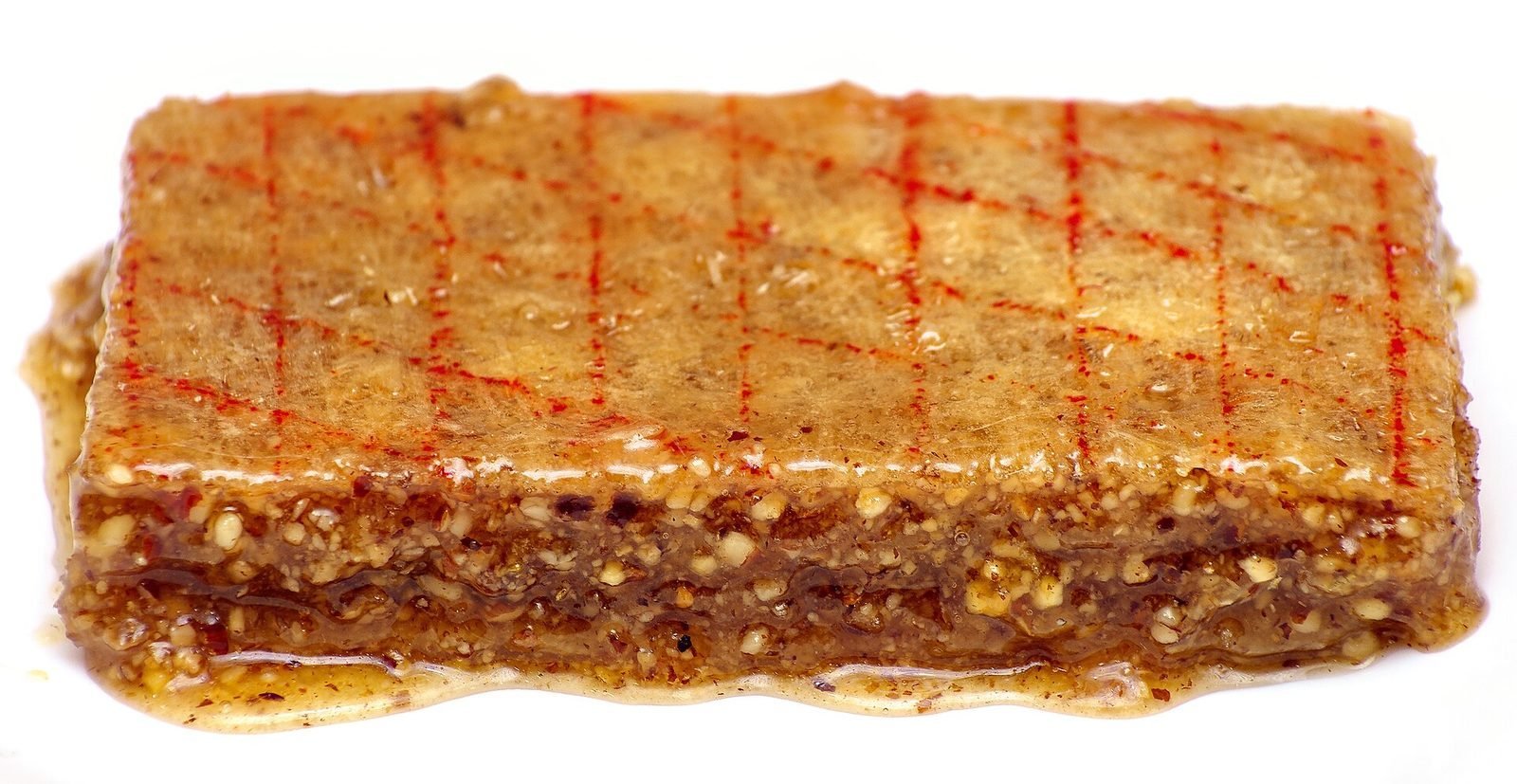
Шекинская халваSheki halva

Crafts & taste

Silk, shebeke and halva

Sheki has been famous for fine crafts for centuries: here people weave silk, assemble shebeke windows and chase copper. And on the table the city is recognised by its famous Sheki halva.

Layered, honey-and-nut, with a fine lattice of saffron on top — it has become the city's calling card.
Crafts & taste →

Шеки и предгорья КавказаCaucasus

Today

A living museum-city

Today Sheki is one of Azerbaijan's main tourist cities: people come for the palace, the caravanserais, the nature of the Caucasus and, of course, the halva.

It is a living city, where crafts and hospitality are passed down from generation to generation.

Sheki today →

Questions & answers

Sheki in brief

What is Sheki?
Sheki is an ancient city in northwestern Azerbaijan, in the foothills of the Greater Caucasus. It was an important centre of the Great Silk Road and is known for the Palace of Sheki Khans, its caravanserais and Sheki halva.
What is the Palace of Sheki Khans famous for?
The Palace of Sheki Khans (Khan Sarayi) was built in 1797 as a summer residence. It is famous for its shebeke windows and rich wall paintings; in 2019 it was inscribed on the UNESCO World Heritage List.
What is shebeke?
Shebeke are traditional stained-glass windows of wooden lattice and coloured glass, assembled by hand without nails or glue. A single square metre of such a window can contain several thousand pieces of wood and glass.
Why is Sheki on the UNESCO list?
In 2019 the “Historic Centre of Sheki with the Khan's Palace” was inscribed on the UNESCO World Heritage List as an outstanding example of Silk Road town-building and palace architecture with the art of shebeke.
What is Sheki halva?
Sheki halva is the city's signature sweet: layered, made of rice flour and nuts, soaked in syrup and decorated with a saffron pattern. It is considered one of the symbols of Sheki.
What is there to see in Sheki?
Worth seeing are the Palace of Sheki Khans, the upper and lower caravanserais, the Sheki Fortress, the Albanian church in the village of Kish, the shebeke workshops and, of course, tasting Sheki halva.